Over the past year, leaders across business and higher education have been inundated with conflicting signals about AI and its implications for jobs, skills, and the systems that support them. Labor market data has been inconsistent. AI adoption has accelerated faster than systems have been built to respond. And the public narrative has swung between promise and alarm.
The result has been noise, uncertainty, and, at times, paralysis. As one leader asked, "How do we make sure we build the agile systems that move at the pace needed in an AI-driven workforce?"
However, at BHEF's Spring 2026 Convening, we witnessed cross-sector leaders come together with conviction and clarity. After a year of immense noise, we saw laser focus on understanding and executing against a clear signal: AI is here, so what are we doing to drive the systems, partnerships, and skills infrastructure required to respond at speed, and accelerate in ways that expand, rather than limit, opportunity?
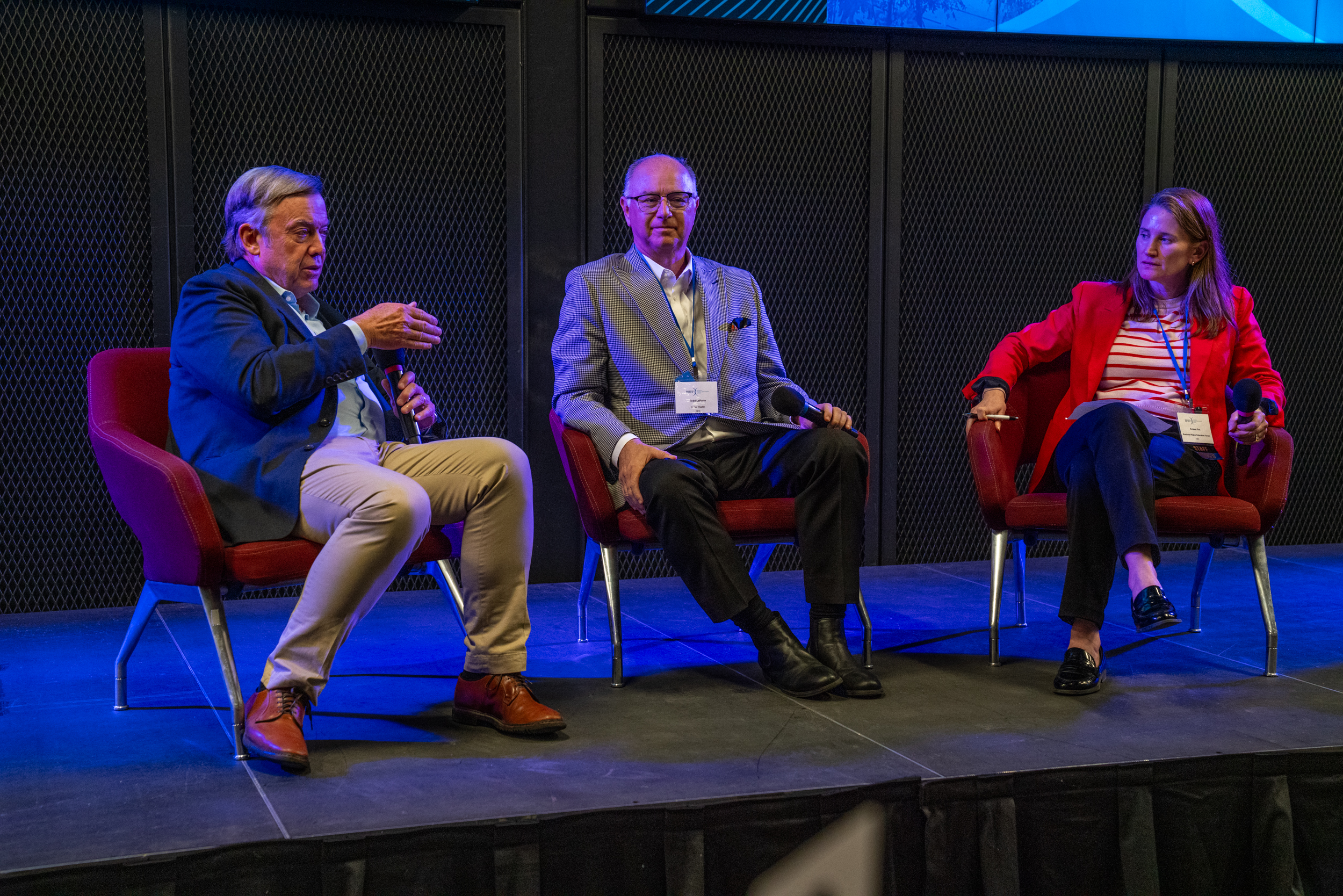
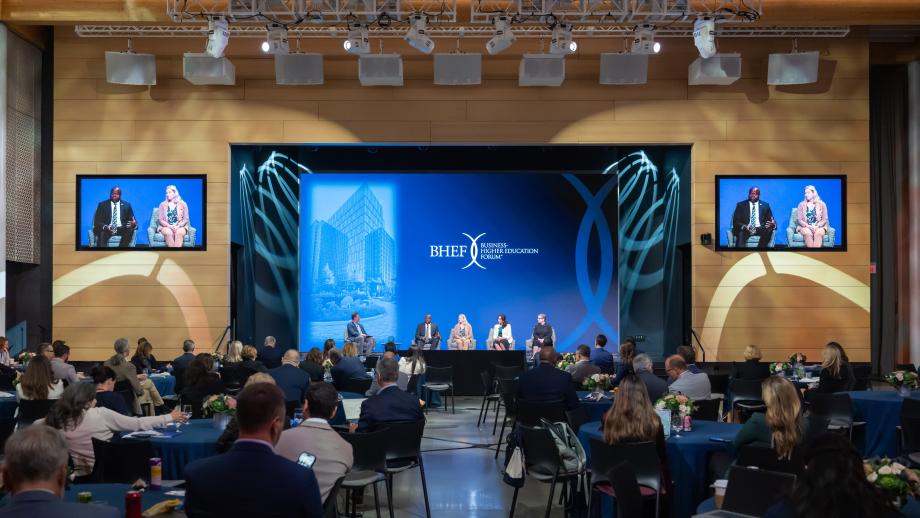
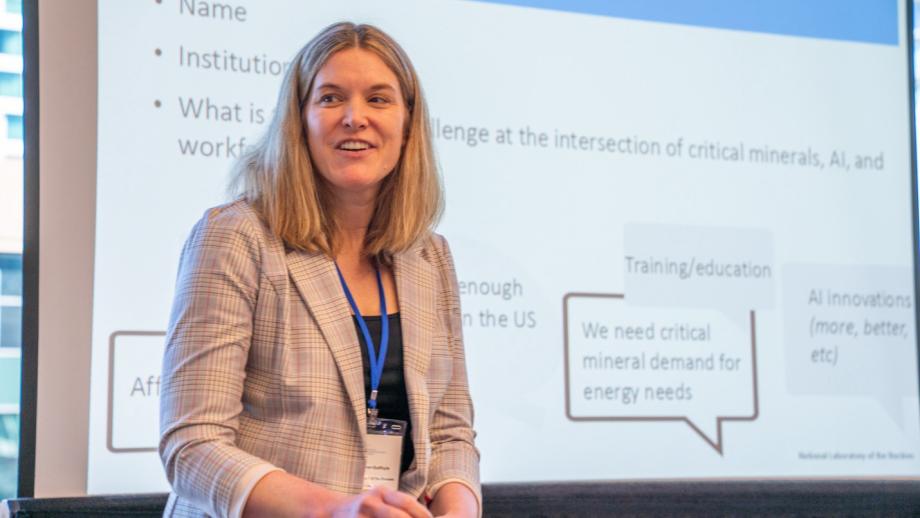
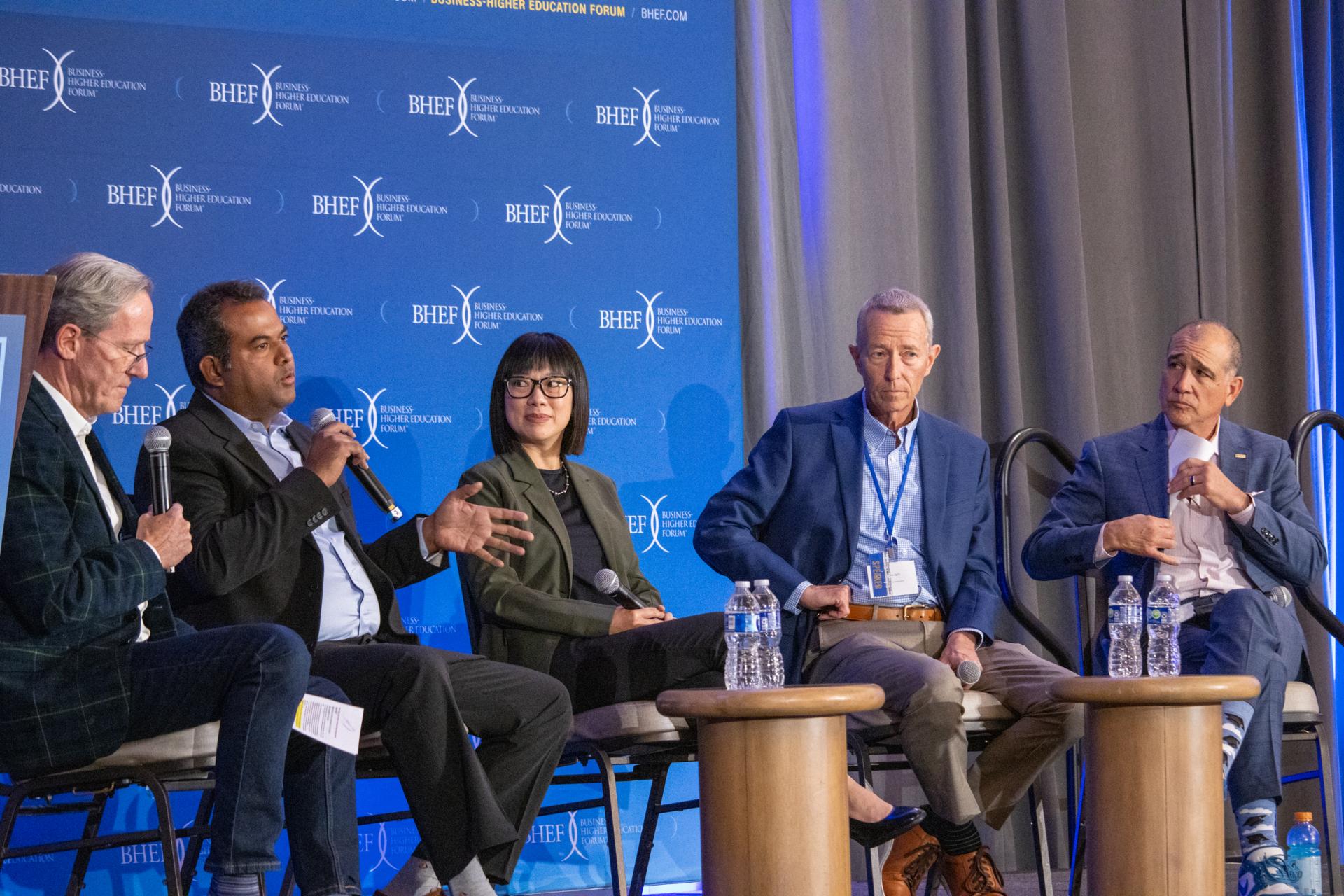
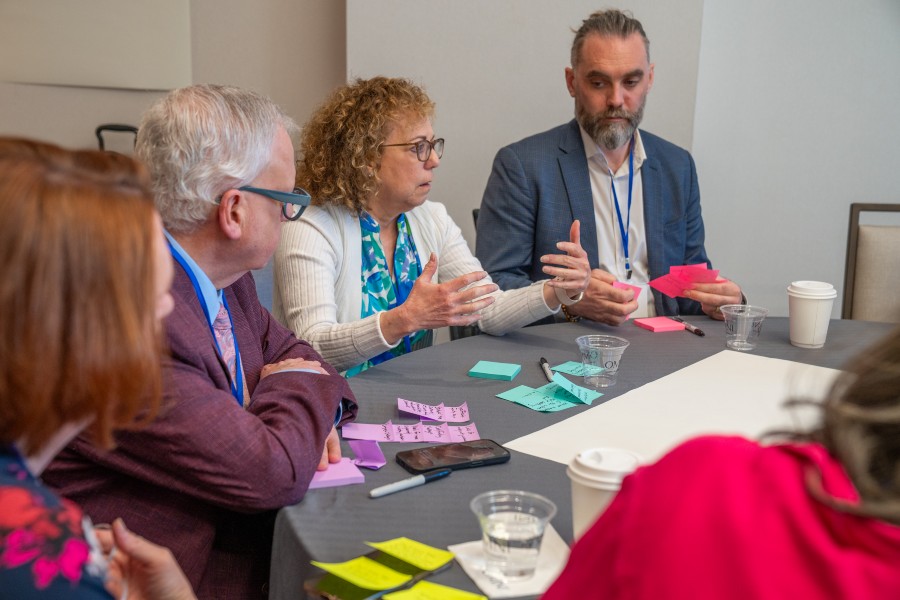
Hosted by Arizona State University in Tempe, BHEF's Spring 2026 Convening brought together more than 125 business and higher education leaders to focus on four connected challenges: understanding where AI skills development actually stands today after over a year of pilots; defining what regional alignment requires in practice in the new AI-enabled era; exploring how scaling work-integrated learning models can accelerate closing gaps and strengthening skills agility for business, higher education, and learners; and defining what leaders must do differently to architect agile education to employment systems. Here are three takeaways from our time in Tempe:
1. AI is Reshaping Work from the Inside Out and Demanding a New Kind of Leadership
Over the past year, it has become clear that AI is reshaping work. What has been less clear is how deeply it is changing how organizations structure leadership, governance, and accountability.
Much like the internet, AI adoption has reached nearly 60% of roles as a general purpose tool in the workplace at a record pace compared to similar past technologies. But despite headlines around layoffs, our work with our corporate partners is showing that the impact is not primarily showing up as mass displacement. Instead, it is showing up more subtly in hiring patterns, role design, accountability, and organizational structure.
While there are real disruptions to entry-level work, there are immediate short-term changes that are deeply impacting mid-level roles. Whereas in the past, mid-level roles would be responsible for growing teams by hiring entry-level talent, today they are absorbing work that previously required additional entry-level hires. Instead, many tasks that would have been outsourced to entry-level talent are being replaced by AI tools. The result? Slower hiring at the entry level and strong retention at the mid-level, resulting in a more "diamond-shaped" workforce, as multiple leaders in our network pointed out.
At the same time, somewhat paradoxically, the relative value of human capabilities continues to quickly increase, particularly at the entry level. Leaders shared how surveys of corporate talent managers show that resiliency, adaptability, judgment, and communication are now seen as more critical than even a year ago. Entry-level workers are being asked to apply human skills more deeply and effectively — both to work with other humans and to shepherd AI technology. Whereas an entry-level finance analyst in 2019 may have focused on applying their durable skills to teamwork and customer service, today they must apply those same skills while effectively supervising AI agents, collaborating with team members, and bridging the outputs of both into high-quality work product.
Finally, our leaders noted the rapid shift in responsibility for effective AI deployment in the executive suite. In 2025, AI deployment — including the skilling strategies needed to fully maximize it — migrated to the top of the organizational chart, with nearly three in four CEOs of major firms now saying they are the primary decision-maker on AI strategy.
This shift in ownership is also a shift in leadership responsibility. The defining challenge for leaders is no longer whether to engage with AI, but whether they are creating the conditions for people to use and build with AI responsibly. Because AI adoption is as much a communication and culture challenge as a technical one, leadership behavior — not just policy — is what shapes organizational culture. The most adaptive organizations are those that invest in shared infrastructure, empower AI champions at every level, and treat responsible use and innovation not as competing priorities, but as complementary ones built together through intentional design.
The question is no longer whether transformation at scale is possible — examples across our network show that it is already underway. Session after session named "failing to act with urgency" and "maintaining outdated structures" as the leadership risks most likely to be regretted. As skills-based movements continue to grow and CEOs reaffirm the need for the unique balance of deep subject matter expertise and emotional intelligence that college experiences provide, tools like BHEF's recently released AI-Enabled Professional Framework Playbook will become more critical than ever, giving leaders the shared taxonomy they need to move with both speed and confidence.
2. Regional Coalitions Are Key, but They Must Invest in Resiliency and Adaptability
In economic development and workforce development, Arizona's recruitment of the TSMC expansion in Phoenix is viewed as a gold standard, bringing $165B in direct foreign investment and more than 6,000 high-tech jobs to the Sonoran Desert, all deeply anchored by Arizona State University and its collaborative, integrated leadership alongside corporate and civic partners. But not every city or state has the immediate opportunity to bring a TSMC-level investment. With that in mind, our Convening focused on the translatable, exportable strategies of ASU and the region to build a deep network of leaders committed to a flexible yet durable infrastructure needed to position the state for success in an era of onshoring jobs and skills.
As leaders shared, one of the keys to the region's success in bringing jobs and powering the skills transformation needed wasn't a written strategic plan or state task force. Instead, leaders noted how the region committed to moving beyond transactional recruiting relationships toward sustained, role-level collaboration with higher education partners. As regional leaders shared, there was an understanding that CEOs themselves needed to be directly engaged in endorsing skills partnerships and powering revised curriculum design and program alignment to ensure the region was aligned, activated, and empowered.
One featured partnership from Arizona showed a unique and flexible model to better meet current conditions. With past work in skill mapping focusing on creating deep, sector-specific skills alignment, co-developing "skill families" may be the new rallying call for coalitions. In skill families, leaders organize talent around clusters of capabilities that can be redeployed as roles evolve over time and more clearly match a value chain instead of a pure industry sector. This approach allows for greater flexibility in a labor market where job definitions themselves are changing faster than traditional systems can track. In a global economy, leaders can align around skill families to better map the unique economic and labor dynamics of their region, align direct skills and skill adjacencies, and execute partnership strategies that are both resilient and adaptable to change. At BHEF, we continued to see how these approaches are rapidly accelerating career readiness through states like Texas and Connecticut.

3. Work-Integrated Learning Scales When Employers Own It as a Business Strategy and Colleges Embrace a Marketplace Mentality
As AI reshapes work and the economies we work in, it is also reshaping how talent is developed. If entry-level work opportunities are both fewer and more demanding in a "diamond-shaped" workforce structure, how can business-university partnerships adapt to better ensure learner and worker success and meet the needs of businesses? Work-integrated learning partnerships — ranging from project-based work in the classroom to internships to apprenticeship models — that are designed for employer ROI provide perhaps the most immediate opportunity.
Work-integrated learning rooted in solving real business challenges creates the conditions for businesses and higher education to help learners develop both durable and technical skills in a shared, safe, sandbox-style environment. But today, it is not operating at the scale or consistency required. Recent BHEF research estimates there is a 4.5 million gap in the supply of internships relative to learner demand, and a downward trend in availability.
From BHEF research, we know employers have a range of motivations for bringing interns on board, including recruiting interns as potential full-time hires, gaining added productivity and capacity, providing supervisors opportunities to grow their leadership skills, and supporting research and innovation. Yet that same research shows how both employers and higher education face challenges in expanding internship and similar work-integrated learning opportunities due to issues like inconsistent hiring patterns, difficulties in assessing quality, and finding skills and project matches between employers and workers.
As a result, designing work-integrated learning for business needs — beyond talent, but inclusive of research, innovation, and expanded productivity — is a key strategy for expanding the supply of work-integrated learning opportunities.
Employers joined as co-designers and co-investors in clearly identifying limitations and setting clear steps to break barriers in 2026. In our conversations, there was a key focus on areas to invest in for 2026, including the need to increase a broader range of project-based learning opportunities, for CEOs and presidents to lead by example in making work-integrated learning a priority, and a need for colleges and other intermediaries to play a key "marketplace" role in brokering high-quality projects and roles for students and learners seeking to grow.
Business-university partnerships are uniquely positioned to reshape and redefine systems that will provide clearer, more dynamic skill signaling; reduce operational inefficiencies; and cultivate access to high-quality work-integrated learning experiences in a high-churn, dynamic labor market. We'll be sharing more in the weeks ahead about our work to advance a range of models that support business needs alongside the key partners working with our Center for Work-Integrated Learning Innovation.
What We're Building Next
AI skills readiness, regional alignment, and work-integrated learning aren't separate challenges. They're all lenses on the same challenge, approached from different angles. Building an AI-powered economy requires workers with both the foundational skills and the real-world experience to use AI productively, regional ecosystems with the governance structures to connect education and employment at scale, and higher education institutions willing to treat career-connected learning as a core part of what a degree and career means.
Since the start of 2025, BHEF has organized its strategic focus areas around how we advance AI skills and high-value credentials aligned to employer needs, expand access to and adoption of work-integrated learning, and scale these models through regional partnerships. Over the last year, we launched our AI & Future of Talent Collaborative and delivered a first-of-its-kind framework and playbook to help leaders quickly establish a shared path forward in an era of AI skills disruption. In Fall 2025, we launched our Work-Integrated Learning Innovation Center. And in 2026, BHEF and its network partners will dive into the implications of these issues for regional talent coalitions.
The outputs from Tempe — including new research frameworks, early WIL models, and coalition-building commitments — go directly into that work.
We look forward to showcasing the results at our Fall 2026 Convening, hosted by Amazon at their Virginia-based HQ2, just across the Potomac River from Washington, DC. Save the date for October 7–9 and sign up for our newsletter to receive updates on our work.