
Employment in the U.S. is projected to increase to over 4.6 million jobs by 2032. What are the current occupational trends and which jobs are expected to see the most growth?
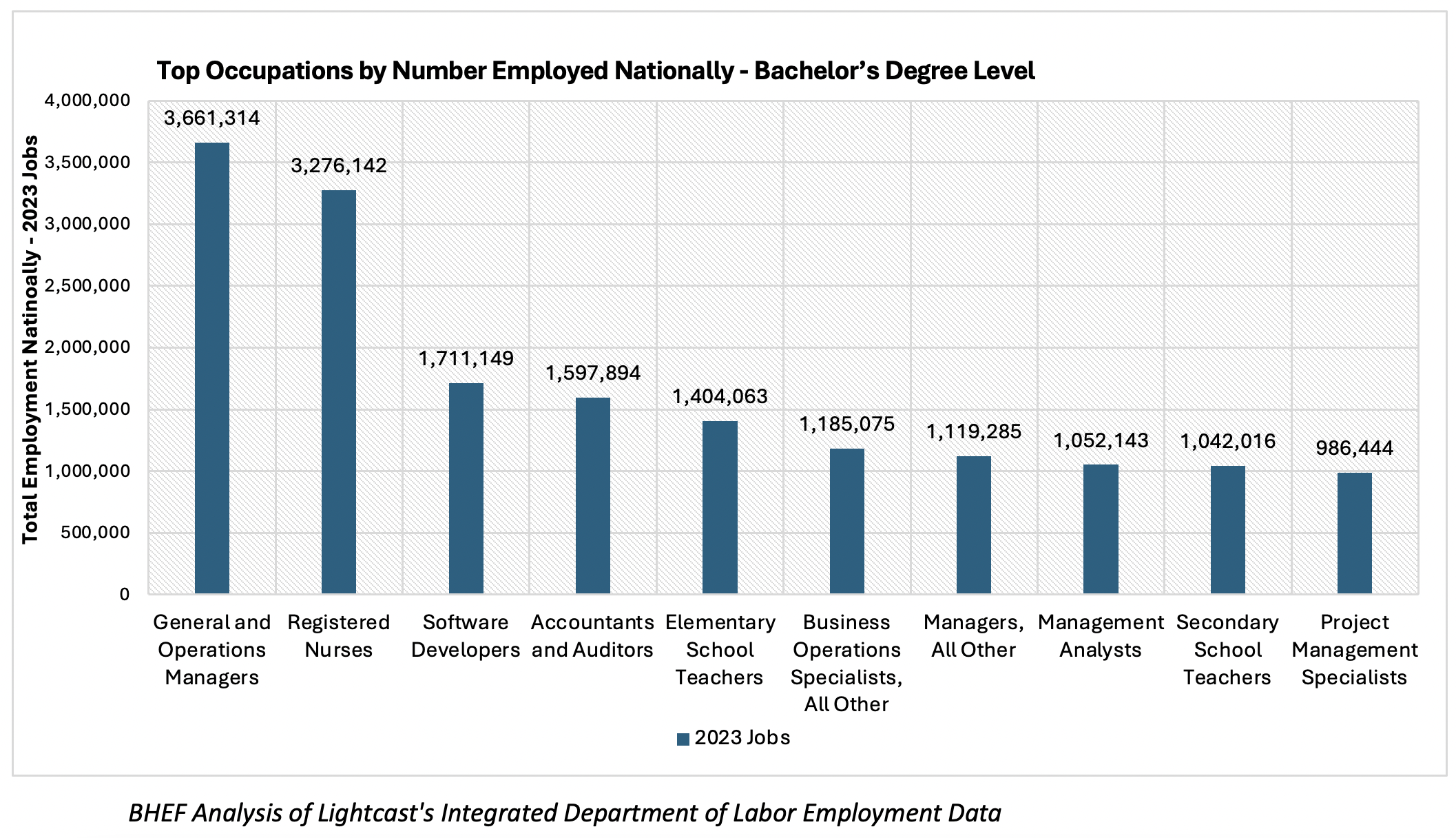
The top occupations for those with a bachelor’s degree include management, teaching, business roles like accountants and management analysts, and software developers. Apart from Project Management Specialists, these are mostly the same top occupations from five years ago. Across these high-volume roles, software developers are expected to grow the most, with a projected increase of 26% by 2032. Registered Nurses and General and Operations Managers are projected to grow by 6% and 4% respectively, adding significant numbers of jobs.
While the top occupations have remained consistent, the skills and knowledge needed for success in these occupations are evolving. Emerging technologies like genAI, quantum computing, clean energy, and healthcare advancements are changing the skills composition within these roles, driving changes in both how entry-level talent is prepared and existing talent is re-skilled.
Outside of these top occupations, there are areas where significant growth is occurring – led by the green economy and energy, healthcare, and technology. Wind Turbine Service Technicians lead growth projections with a 45% increase by 2032, followed by Nurse Practitioners at 44.5%, and Data Scientists at 35.2%.

Lost in Translation – Navigating the Work-Integrated Learning Landscape
Posted August 20, 2026
In practice, there is limited agreement on the minimum characteristics that define work-integrated learning models, and without greater consistency in how these experiences are defined and communicated, it becomes more difficult for employers, higher education institutions, and learners to understand the value of these experiences. A shared common language is needed.

Five Reasons Businesses Are Partnering with Higher Education for AI Talent
Posted July 30, 2026
What’s driving the investment of time, attention, and resources in business and higher education partnerships? These five reasons and actionable recommendations are grounded in insights gathered from our sixteen Pilot Grant Tech Talent Accelerator 3.0 industry partnerships in Connecticut, with far-reaching implications for other states, businesses, and higher education institutions across the country.
How AI and Industry Demand Are Reshaping the Critical Minerals Workforce
Posted May 20, 2026
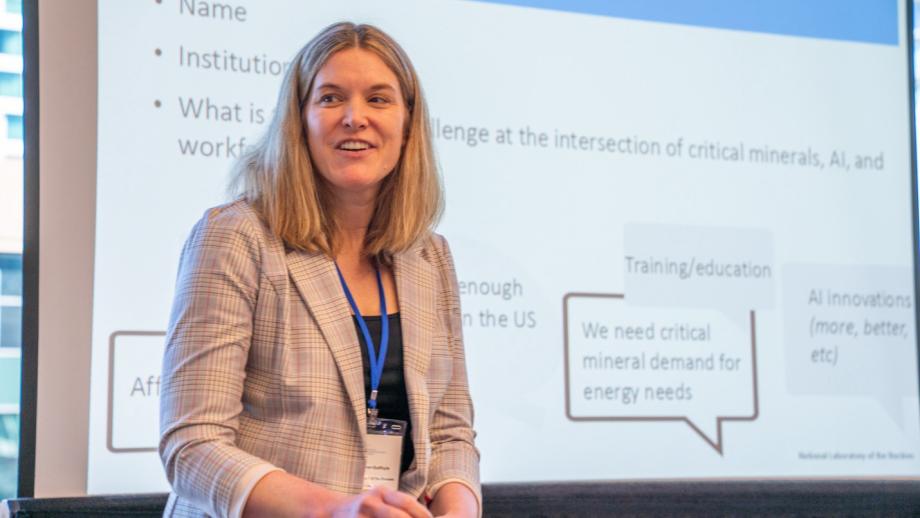
AI and critical minerals are converging, and higher education is rising to meet the moment.

Seven Strategies to Become an Employer’s Partner of Choice
Posted May 13, 2026
Fewer than 1 in 5 higher education leaders are fully executing on an industry partnership strategy. That gap is costing learners, employers, and regional economies. That's why BHEF developed Industry Partnerships that Last: A Playbook for Higher Education — a practical guide to building, structuring, and sustaining partnerships that actually work. Here are 7 actionable strategies.

How Business and Higher Education Leaders Are Moving to Meet the Moment
Posted April 3, 2026
Last week, 125+ business and higher education leaders gathered at Arizona State University for BHEF's Spring 2026 Convening. After a year of noise and uncertainty around AI, what we found in Tempe was something different: clarity and urgency.

Early Signals from a Regional Talent Ecosystem: Learning from the Connecticut Tech Talent Accelerator 3.0
Posted February 13, 2026
The Connecticut Tech Talent Accelerator (TTA 3.0), offers a model for expedited regional employer and higher education collaboration to prepare learners for the future of work.