Which Industries, Occupations, and Sectors Will See the Highest Demand for AI Skills?

Stanford University’s most recent AI report revealed that AI-related job postings in 2023 accounted for 1.62% of all job postings in the U.S. In addition to AI-specific occupations, we are seeing that AI skills are increasingly being dispersed across roles and sectors. But the question on everyone’s mind is which industries, occupations, and sectors will be the most impacted and see the highest demand for AI skills? 

We looked at the current demand for AI skills across various career fields to understand which occupations are seeing the most need for AI skills. At the occupational level, IT and computer science roles lead the way, with nearly 10% of job postings seeking AI-related skills over the past year. Other technical-focused careers, such as those in Science, Research and Engineering also saw significant impact, with over 5% and 2.7% of their job postings respectively requiring AI skills, both well above the national average.  

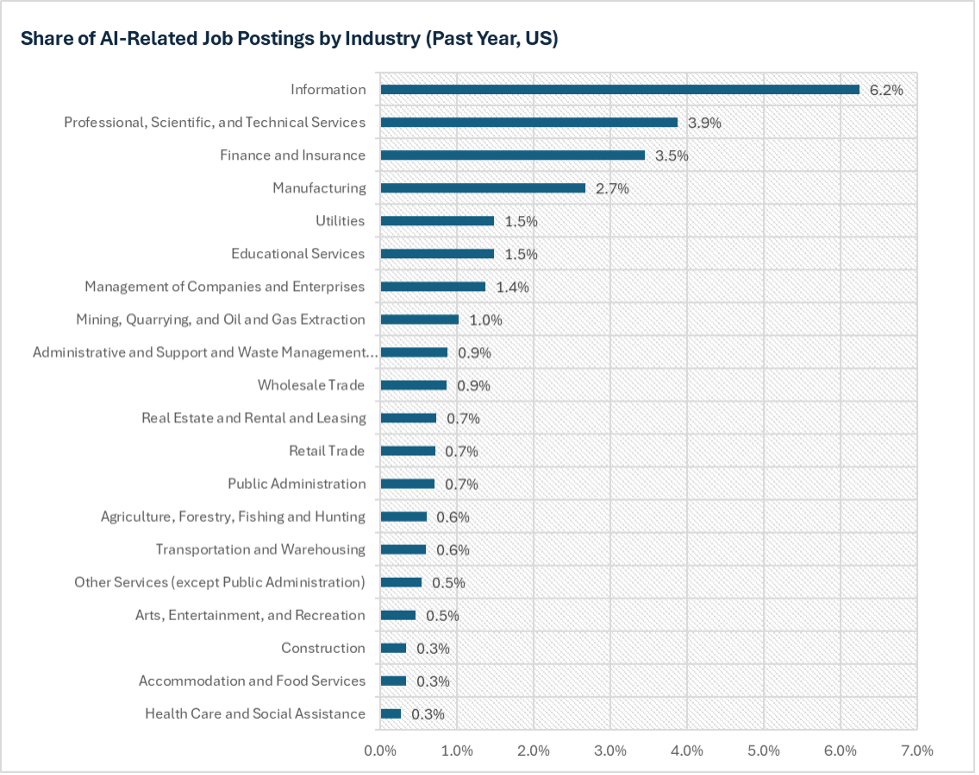
Across industries, the highest share of demand for AI skills is in the information, professional services, and financial services industries. In addition to the higher-than-average share of need for AI skills, these are industries that are also experiencing significant job transformation and shifts due to AI and where we will continue to dig into the implications for education and work.

We expect to see continued demand for AI skills disperse over the next decade into non-tech sectors as more companies begin to understand the implications AI will have on their operations, governance, and workforce structures.

More from Bridging Business and Education

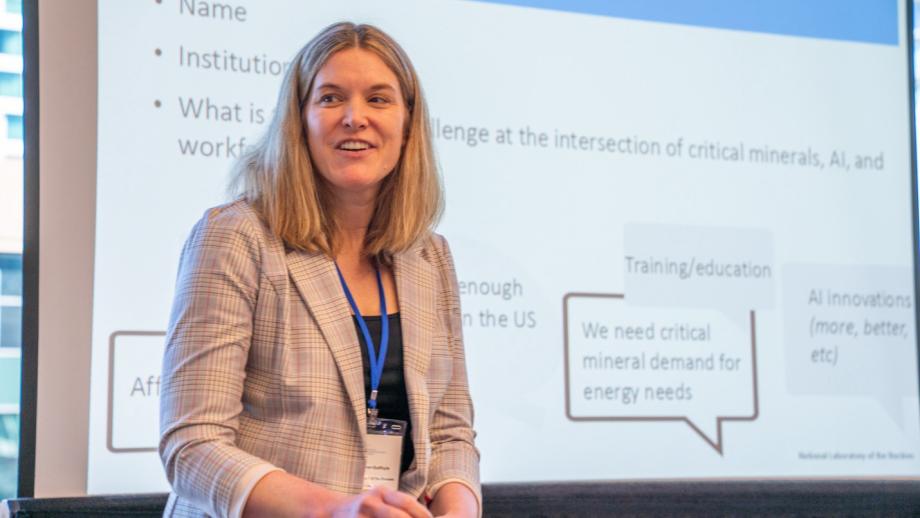
How AI and Industry Demand Are Reshttps://www.linkedin.com/in/kristin-wg/haping the Critical Minerals Workforce

AI and critical minerals are converging, and higher education is rising to meet the moment.

Seven Strategies to Become an Employer’s Partner of Choice

Fewer than 1 in 5 higher education leaders are fully executing on an industry partnership strategy. That gap is costing learners, employers, and regional economies. That's why BHEF developed Industry Partnerships that Last: A Playbook for Higher Education — a practical guide to building, structuring, and sustaining partnerships that actually work. Here are 7 actionable strategies.

How Business and Higher Education Leaders Are Moving to Meet the Moment

Last week, 125+ business and higher education leaders gathered at Arizona State University for BHEF's Spring 2026 Convening. After a year of noise and uncertainty around AI, what we found in Tempe was something different: clarity and urgency.

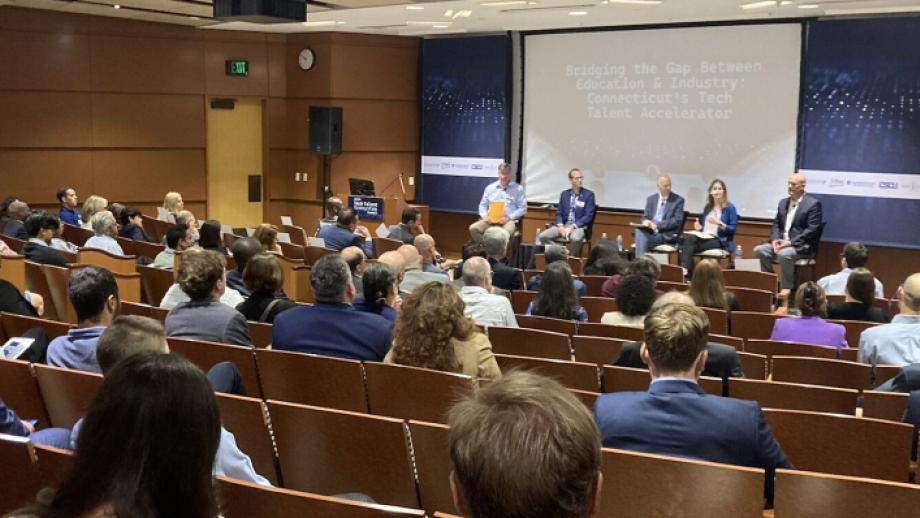
Early Signals from a Regional Talent Ecosystem: Learning from the Connecticut Tech Talent Accelerator 3.0

The Connecticut Tech Talent Accelerator (TTA 3.0), offers a model for expedited regional employer and higher education collaboration to prepare learners for the future of work.

FutureReady States: Early Lessons on Bringing Clarity to Short-Term Credentials

The U.S. economy is changing fast, shaped by new technologies, shifting demographics, and the rise of fields like AI. As skill demands evolve faster than traditional education and workforce systems can keep up, more learners are turning to short-term credentials that promise quicker pathways to jobs. But rapid growth has also brought confusion. The real question is no longer whether these credentials belong, but how states, colleges, and employers can identify which ones truly deliver value—and invest with confidence.

The AI Workforce Moment Is Here: Here Is How Business and Higher Education Are Leaning in Together

AI is not eliminating work. It is transforming every job, reshaping roles and skills at a speed most organizations are still trying to comprehend. With more than 150 million workers likely to require some level of AI upskilling in the coming years according to leaders at the event, the central challenge is not displacement: it is readiness.