
Work-Integrated Learning (WIL) is a central strategy in workforce readiness and talent development. By connecting academic learning with real-world experiences, WIL provides students with opportunities to develop work-ready skills, build professional networks, explore career pathways, and apply their learning in authentic settings. At the same time, employers can engage emerging talent, build their talent pipelines, and get real work done.
But demand outpaces supply. In our work at the Business-Higher Education Forum (BHEF), we estimate that in 2023, 8.2 million students sought internships or similar experiences, but over 50% (4.6 million students) did not have access to the opportunities they were seeking. More students want WIL experiences than can access them, and closing that gap requires partnerships between institutions and employers. The most effective partnerships are built on flexibility — the ability to match the right employer engagement to the right educational need — and clear, consistent communication between stakeholders. Both require a common language that helps institutions and employers define, design, and scale work-integrated learning together.
Without greater consistency in how these experiences are defined and communicated, it becomes more difficult for employers to identify the forms of engagement that align with their business needs, for institutions to design and market opportunities effectively, and for students to understand what they are gaining from an experience.
The terms used to describe work-integrated learning experiences, such as "internship," "micro-internship," "co-op," "project-based learning," and "capstone," mean different things to different people. Project-based learning, for example, can range from fully employer-sponsored projects with real business inputs and feedback loops to purely classroom-based assignments with no external partner. Micro-internships may refer to short, paid professional projects with defined deliverables, but they are also sometimes used to describe informal short-term assignments or task-based work. Internships may be part-time, full-time, semester- or summer-based, or even year-long.
In practice, there is limited agreement on the minimum characteristics that define each model, including what counts as employer involvement, how structured the experience should be, how long it should last, or what level of supervision is required. As a result, the same label can refer to experiences that look quite different in scope and intensity. Without greater consistency in how these experiences are defined and communicated, it becomes more difficult for employers to identify the forms of engagement that align with their business needs, for institutions to design and market opportunities effectively, and for students to understand what they are gaining from an experience.
Matching Work-Integrated Learning Models to Employer Needs
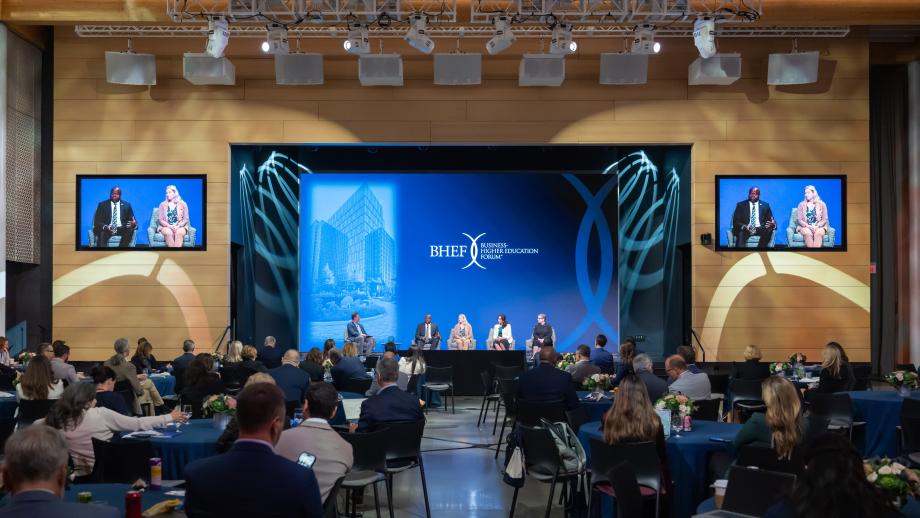
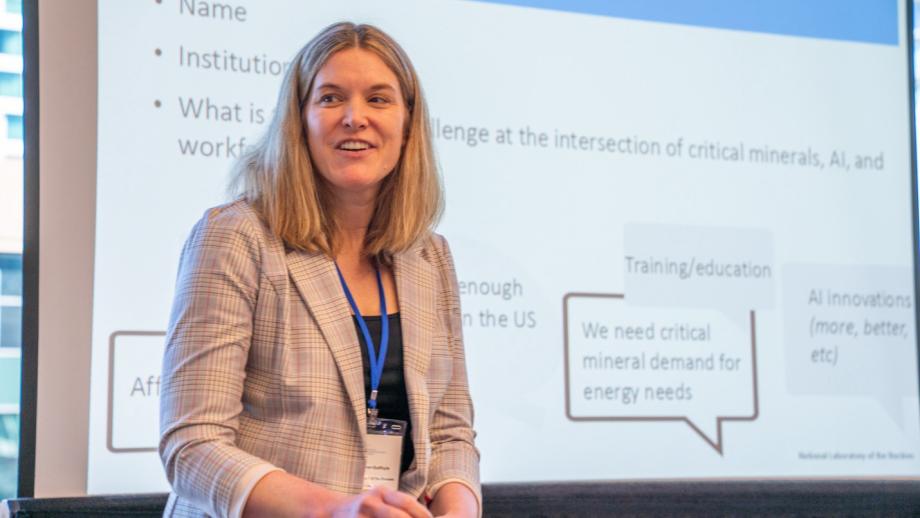
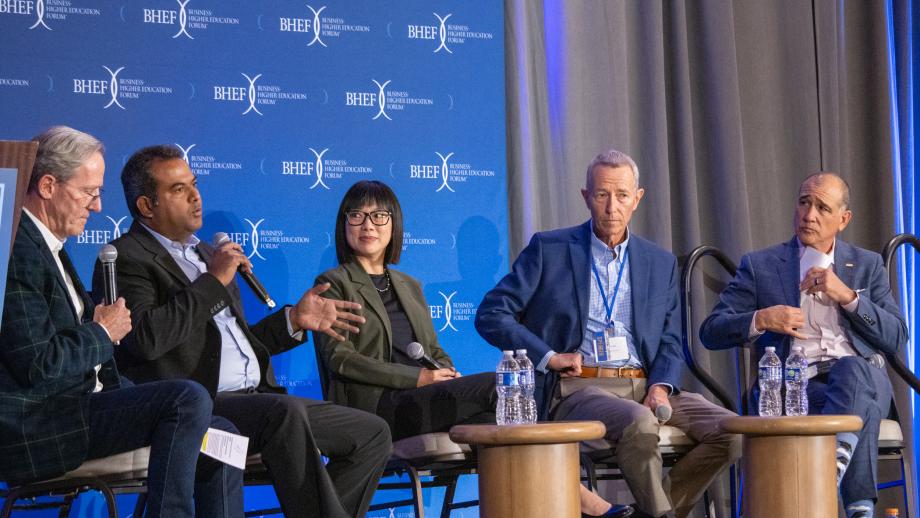
For employers, this ambiguity creates its own set of challenges when scaling employer engagement in WIL — a theme that surfaces regularly in our work across our employer network. At our BHEF 2026 Spring Convening, a design session across employers emphasized that successful expansion of WIL experiences would require a clear return on investment (ROI) for the employer, standard ways to implement models and measure outcomes, and consistent connection with faculty and institutional partners. Perhaps most importantly, employers also discussed that different WIL models are often better suited to different business needs, and that understanding these distinctions can help organizations identify the approaches that best fit their needs.
As WIL continues to expand, establishing a shared understanding of WIL models can help employers and institutions make more informed decisions about how to design, implement, and communicate these experiences.
To support this effort, BHEF has developed a set of working WIL definitions in Industry Partnerships That Last: A Playbook for Higher Education:
Internship: A structured, intermediate-term (2-4 months) work experience that complements academic learning and provides learners with hands-on exposure to a profession or industry. Internships offer learners the opportunity to develop industry-specific skills, build professional networks, and gain real-world experience. For internship experiences, projects and tasks are primarily decided, developed, and run by the business, and opportunities often exist siloed, though complementary to academic learning.
Micro-Internship: A short-term, project-based experience where learners complete real-world assignments for a business over a few days or weeks. Micro-internships offer flexibility, allowing learners to engage in meaningful work without the full commitment of a traditional internship. These internships are particularly beneficial for learners who might not be ready for a full internship experience to get workplace exposure. They also serve as a lower lift for businesses as they do not have to commit as much time or resources to training and mentoring the intern.
Project-Based Learning (PBL): An experiential learning model where learners collaborate, often in groups, on real-world projects, in partnership with a business. These projects can be embedded within a credit-bearing course, capstone experience, or extracurricular program. PBL allows learners who may not have time for an internship to apply classroom knowledge to solve real-world business challenges. In exchange, businesses receive varied approaches to problem-solving as well as an additional touchpoint to learners and faculty.
Capstone project: A credit-bearing, culminating experience, typically offered in a student’s final year of college, to develop a project that integrates and applies what they have learned, or a real-world problem.
Apprenticeship: An earn-and-learn model that is business-driven and combines paid, on-the-job training with related training and instruction. It can be registered or not registered and usually leads to a placement opportunity.
Co-ops: Formal programs that integrate alternating or parallel periods of academic study and paid, full-time work experience with an employer, which can be multi-term and progressive.
These definitions offer a starting point that employers and institutions can begin adopting by using them in partnership conversations, job descriptions, program materials, and internal planning processes to ensure they are describing WIL experiences in the same way. Clarity is critical, and aligning on terminology early in the design process can help partners clarify expectations around employer engagement, student learning outcomes, supervision, and project scope before opportunities are launched.
As always, we welcome input on these working definitions and how they resonate for your organization. To share feedback, please email wil@bhef.com.
Building a Common Framework for Quality
Establishing a common language framework is only the first step. Equally important is defining what high-quality WIL looks like so that employers and institutions can create experiences that are intentional, measurable, and valuable for all stakeholders.
BHEF’s Defining and Delivering Quality in Work-Integrated Learning builds on this foundation by aligning common WIL definitions with a draft set of shared quality markers, providing practical guidance for designing effective experiences. By pairing consistent terminology with a common framework for quality, employers and institutions can more effectively match WIL models to their goals while supporting the continued expansion of high-quality work-integrated learning opportunities.
Closing note – Jennifer Thornton, Senior Vice President and Chief Program Officer
This blog was researched and written by BHEF intern Megan Dougherty. Megan's work on this article demonstrates what we know to be true: when students are given authentic projects with real responsibility, they contribute valuable insights while building the skills and experience employers seek. If we want more students to benefit from high-quality work-integrated learning, more organizations must see themselves not just as advocates, but as participants. Whether through internships, micro-internships, capstones, apprenticeships, or industry-sponsored projects, every employer has an opportunity to help build the future workforce while strengthening its own talent pipeline.