Rapid Technological Changes
AI is reshaping how we understand our world, make decisions, and collaborate.
This transition is also redefining the workforce—from specialized roles to hybrid professionals who combine domain expertise, data fluency, systems-level reasoning, and collaboration skills.
For universities, this shift requires preparing students not just for specific roles, but for fluid career pathways that evolve alongside AI-enabled systems.
AI and Energy: A Case Study in Opportunity
The intersection of AI and energy highlights a core tension—and opportunity. We need both energy and critical minerals to support our increased use of AI, while AI can, in some cases, simultaneously enable more efficient energy production, optimization, and use.
But navigating this tension reveals a four-part problem: evolving demand signals, fragmented training pipelines, limited translation mechanisms, and weak feedback loops.
Within this context, the U.S. critical minerals sector faces mounting pressure to scale extraction, processing, and supply chains in response to growing demand for materials like gallium and silicon.
AI presents opportunities to accelerate innovation and efficiency across the value chain, from advanced modeling to decision support for complex projects. However, adoption remains uneven. That’s why BHEF and the National Laboratory of the Rockies have partnered to explore how critical minerals industry executives and higher education leaders can collaborate to unlock the full potential of talent to meet America’s critical minerals competitiveness needs in the AI-enabled era.
Collaborating to Surface Insights from Industry and Academia
Addressing these challenges requires coordinated action across academia, industry, and research institutions.
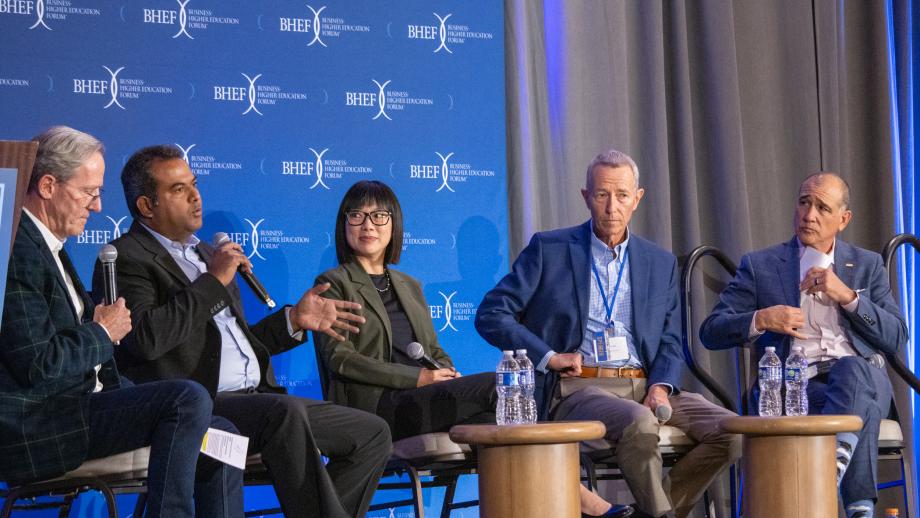
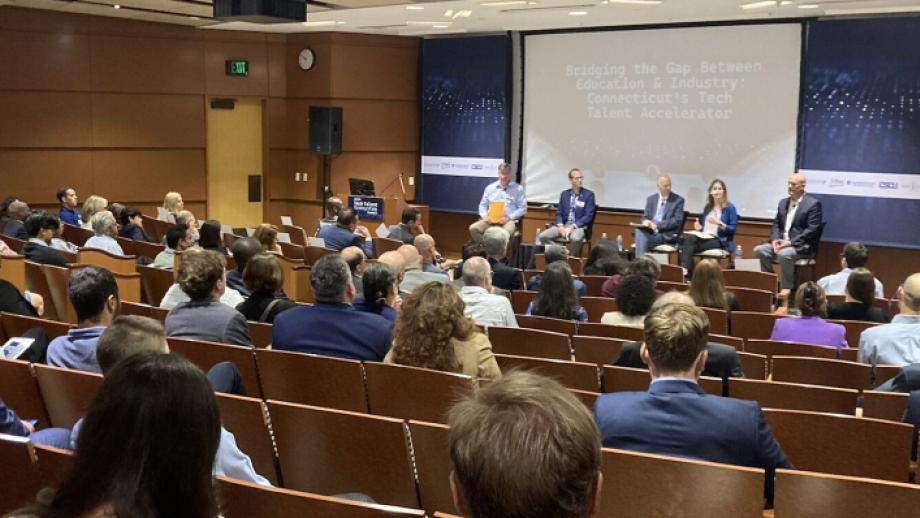
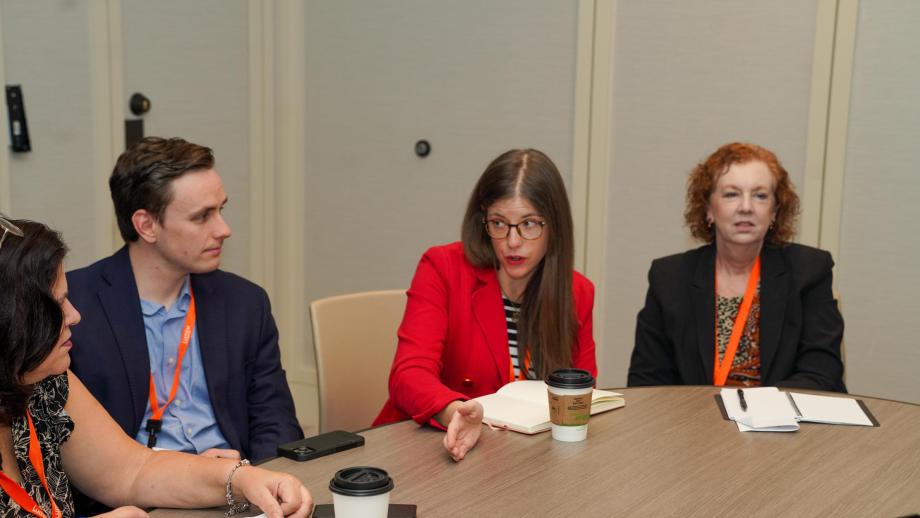
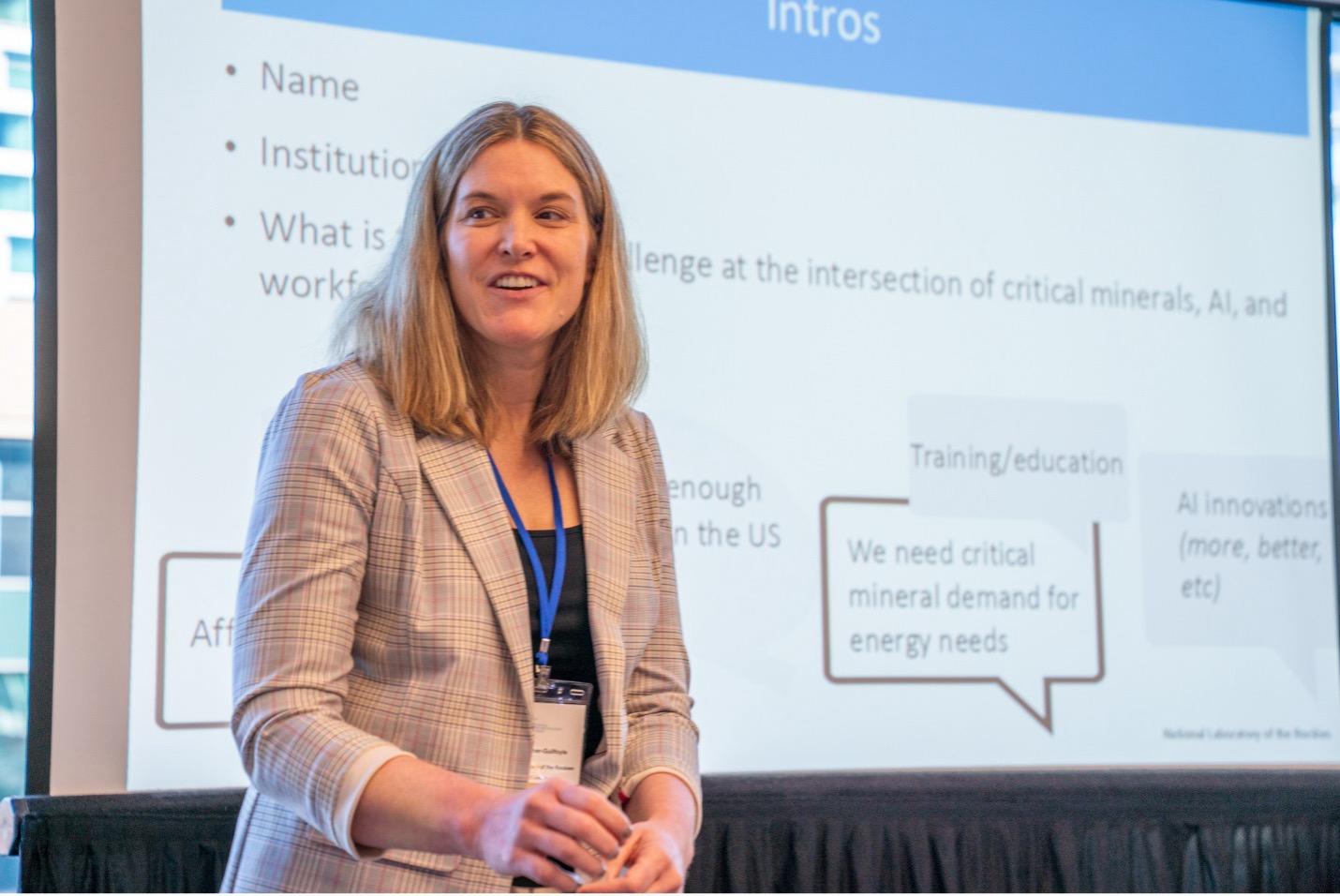
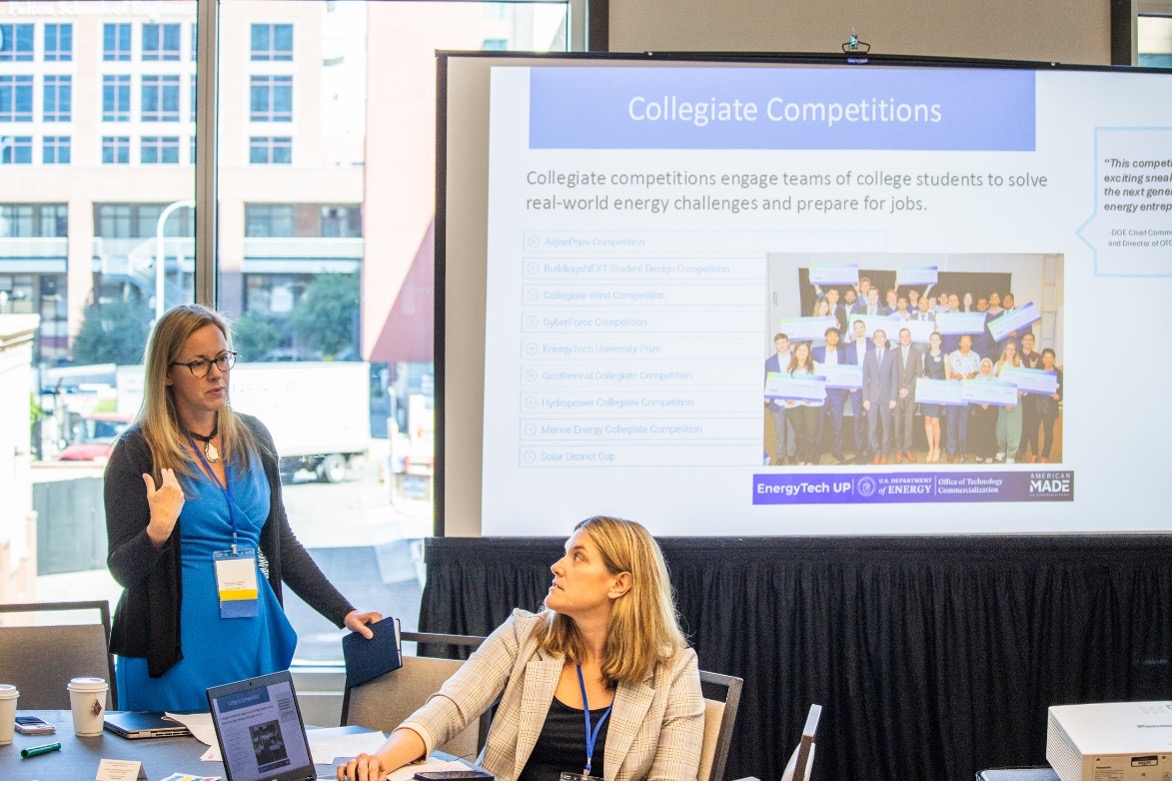
Meetings play a critical role in surfacing these insights and aligning stakeholders. The National Lab of the Rockies (NLR) recently attended the Business-Higher Education Forum’s (BHEF) Spring Convening and led a workshop on how institutions are preparing students for AI-enabled roles in energy and critical minerals.
These discussions highlighted a shift from static workforce pipelines to more dynamic, partnership-driven models. Key opportunities include:
- Reimagining curriculum design to emphasize durable skills, like critical thinking, collaboration, and complex problem-solving, alongside AI-enabled tools and experiential learning
- Building deeper, end-to-end partnerships between academia and industry to support the full talent lifecycle, from early exposure to mid-career upskilling; through universities adapting and growing with students and offering different skills
- Clarifying hybrid skill needs by combining foundational education with employer-driven specialization and applied training
- Expanding awareness of critical minerals careers through earlier engagement (K–12), hands-on learning, and more visible career pathways
- Designing workforce systems around a “lifelong learning” model, where individuals continuously return for new skills and credentials over time through accessible on- and off-ramps
While institutions must navigate constraints such as faculty governance, accreditation, and funding models, the pace of technological change is accelerating the need for more flexible and responsive program design.
Translating Demand into Workforce Solutions
A critical missing layer in this system is the ability to translate industry demand into actionable workforce pathways and real-world skills. Tools such as the Critical Mineral Career Maphelp address this gap by outlining more than 50 occupations and the skills and credentials required for high-demand roles. These approaches enable transitions from adjacent industries such as manufacturing, energy, and data centers, support mid-career reskilling, and reflect the growing importance of AI-enabled, hybrid roles.
AI is also reshaping the skills required across the sector, including capabilities in modeling and simulation, geological data analysis, and decision support for complex systems.
For universities, these shifts are not incremental—they require rethinking how programs are designed, delivered, and sustained. These tools provide a mechanism to better align programs with labor market demand, improve student placement outcomes, and demonstrate return on investment to students, employers, and funders.
Possible shifts include:
- Moving from static degree programs to modular, stackable credential pathways aligned with evolving industry demand
- Embedding experiential learning (e.g., co-ops, applied projects, industry-led challenges) as a core component of curriculum
- Partnering with industry not just for advisory input, but for co-development of programs and ongoing talent pipelines
- Designing for lifelong engagement, where institutions serve learners across multiple career transitions
Strategic Actions: Advancing Through Partnership
Addressing workforce challenges at the intersection of AI, energy, and critical minerals will require deep, sustained collaboration across universities, industry, and research institutions, through strategies like:
- Moving from advisory to co-development models, where universities and industry partners work together to shape curriculum, define emerging skill needs, and create more direct pathways into employment
- Building more integrated talent pipelines, spanning early exposure, internships, and mid-career reskilling––particularly for individuals transitioning from adjacent industries
- Expanding experiential learning through partnership, including co-ops, applied research, and industry-informed projects that give students exposure to real-world challenges
- Leveraging shared tools and frameworks, such as career maps, skill taxonomies, and competency frameworks like BHEF’s AI-Enabled Professional Framework, to better align education programs with evolving workforce demand
- Exploring models for lifelong learning, where institutions and employers collaborate to support continuous skill development over time
- Advancing regional partnership models, building on recommendations from the 21st Century Energy Workforce Advisory Board (EWAB) to develop place-based hubs that align universities, employers, and training providers around local workforce and industry needs, and BHEF’s long-standing work through national initiatives like the Workforce Partnership Initiative
These approaches reflect a broader shift toward partnership-driven workforce systems, where education, industry, and research are more tightly connected and evolve together.
There is a significant opportunity to continue building on this momentum through collaboration, experimentation, and shared learning across the BHEF community and beyond. When combined with the findings of partnership playbooks and frameworks, like BHEF’s Workforce Partnership Initiative Playbook and BHEF’s AI-Enabled Professional Framework, leaders can quickly accelerate adoption to meet emerging needs. If you, your firm, or your higher education institution are interested in learning more, reach out to BHEF at info@bhef.com to set up a conversation. We look forward to exploring and launching new pathways to meet America’s critical minerals talent needs.